.jpg)




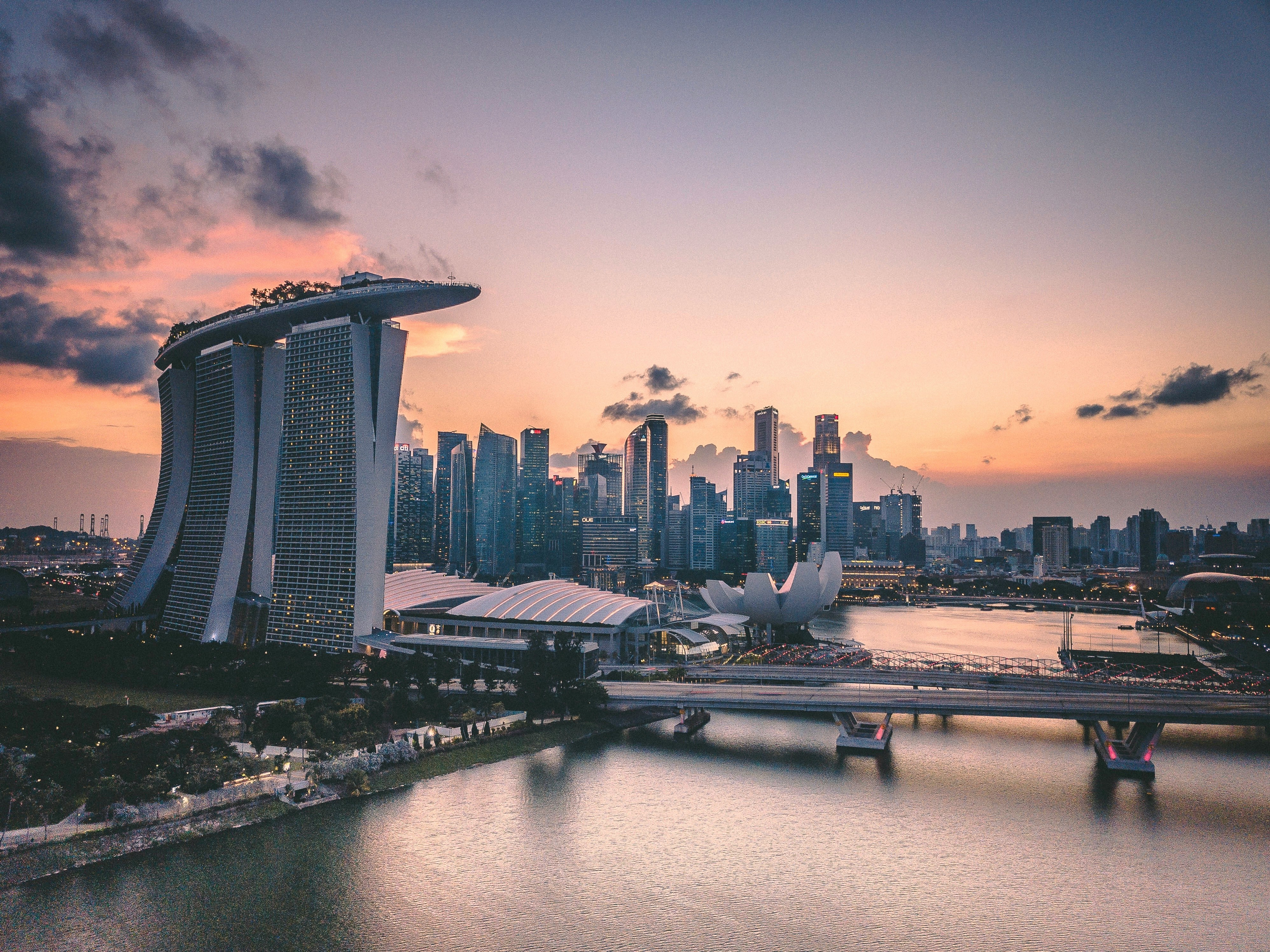
The air-conditioning blasted against my skin as I slid into a corner seat at Ya Kun Kaya Toast in Marine Parade, Singapore. A plate of kaya toast, soft-boiled eggs, and an upgraded iced lemon tea, the kind that costs an extra $1.50 but somehow feels like abundance, sat in front of me. Around me, people came and went, many of them alone, just like me. Nobody stared, nobody questioned why I was by myself. In Singapore, the city feels designed for single people, independent, efficient, moving at their own rhythm.

Photo | Regis- Hari Buchard
The Kopitiam as an Anchor
Most mornings during that chapter of my life, I came to Ya Kun before heading to work. From my condo in Bayshore, Marine Parade was three MRT stations away, or twenty minutes by bicycle if the morning was cool enough. Cycling there felt like freedom until the equatorial sun started to bite. The air-conditioning when I walked in was its own kind of mercy.
That ritual mattered more than I understood at the time. Ya Kun was my anchor: the place to cool down, gather my thoughts, and arrive at the office composed. But something else happened in those quiet early hours. While others scrolled through their phones, I was filling notebooks with ideas, sketching out what kind of media platform Southeast Asia actually needed. Not another business roundup. Something that sat at the intersection of culture, commerce, and memory.
Looking back, those kopitiam mornings were where the editorial instinct that would eventually become Kulture Insider was first sharpened.

Kopitiam Culture: Where Community and Independence Coexist
The kopitiam is a Chinese-rooted institution, woven into the cultural fabric of both Malaysia and Singapore across generations. Kopi served in ceramic cups. Kaya toast on white bread. Soft-boiled eggs cracked into a small saucer, seasoned with a splash of light soy sauce and white pepper. The background hum of families, hawkers, and uncles arguing over the morning newspaper.
But in Singapore, the kopitiam holds space differently. The lone diner is not an anomaly here. The city is designed for people moving at their own pace, and the kopitiam reflects this: communal tables, no reservations, no stares. It functions as neutral ground, where independence is as unremarkable as community.
In Malaysia, the energy shifts. Eight out of ten tables are occupied by families, children, aunties, parcels of food being passed around. The warmth is real. But for someone sitting alone, the contrast is sharp. The Malaysian kopitiam holds up a mirror, and sometimes the reflection asks questions you are not ready to answer.
Serai, Section 14: When Malay Cuisine Dressed for the Room
Petaling Jaya, 2015
Not every meal is about sustenance. Some are about revelation.
Serai Restaurant in Section 14, Petaling Jaya, a fifteen-minute drive from KLCC and conveniently close to my studio at the time, was one of those places that understood the difference. Walking in, the scent of lemongrass hit first. Not heavy, not spa-like. Elegant, alive, four-star in its restraint.
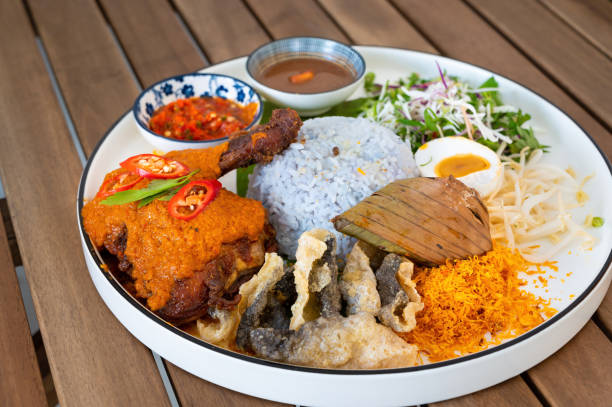
The décor was chic. The menu was Malay cuisine given a contemporary edit, traditional dishes reimagined without apology. The nasi kerabu arrived with basmati rice tinted the softest blue from butterfly pea flower, a natural dye rooted in Malay tradition, now elevated into something almost architectural on the plate. The nasi serai was generous, layered, grounding. Indulgent in the way of food that actually knows where it comes from.
Eating at Serai felt like a statement. That Malay cuisine belongs at the fine dining table, not despite its origins but because of them.
Markets and the Weight of Tradition
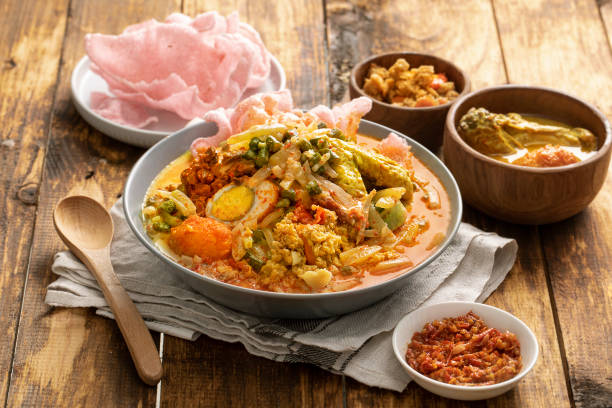
Just minutes away from Serai, the Section 14 Sunday market operated at an entirely different register. The lontong queue stretched around the stall: nasi impit in golden coconut turmeric gravy, bergedil potatoes, vegetables, a whole boiled egg, sometimes a telur mata on top. Humble food, but the kind that carries history in every spoonful.
A watermelon for RM4, fresh and cold. A watermelon lychee drink, or teh o ais lemon mixed by the abang who always got the balance just right. These were not small pleasures. They were proof that everyday food in Southeast Asia carries the same weight as any fine dining dish, just translated differently.
What Solo Dining Actually Means
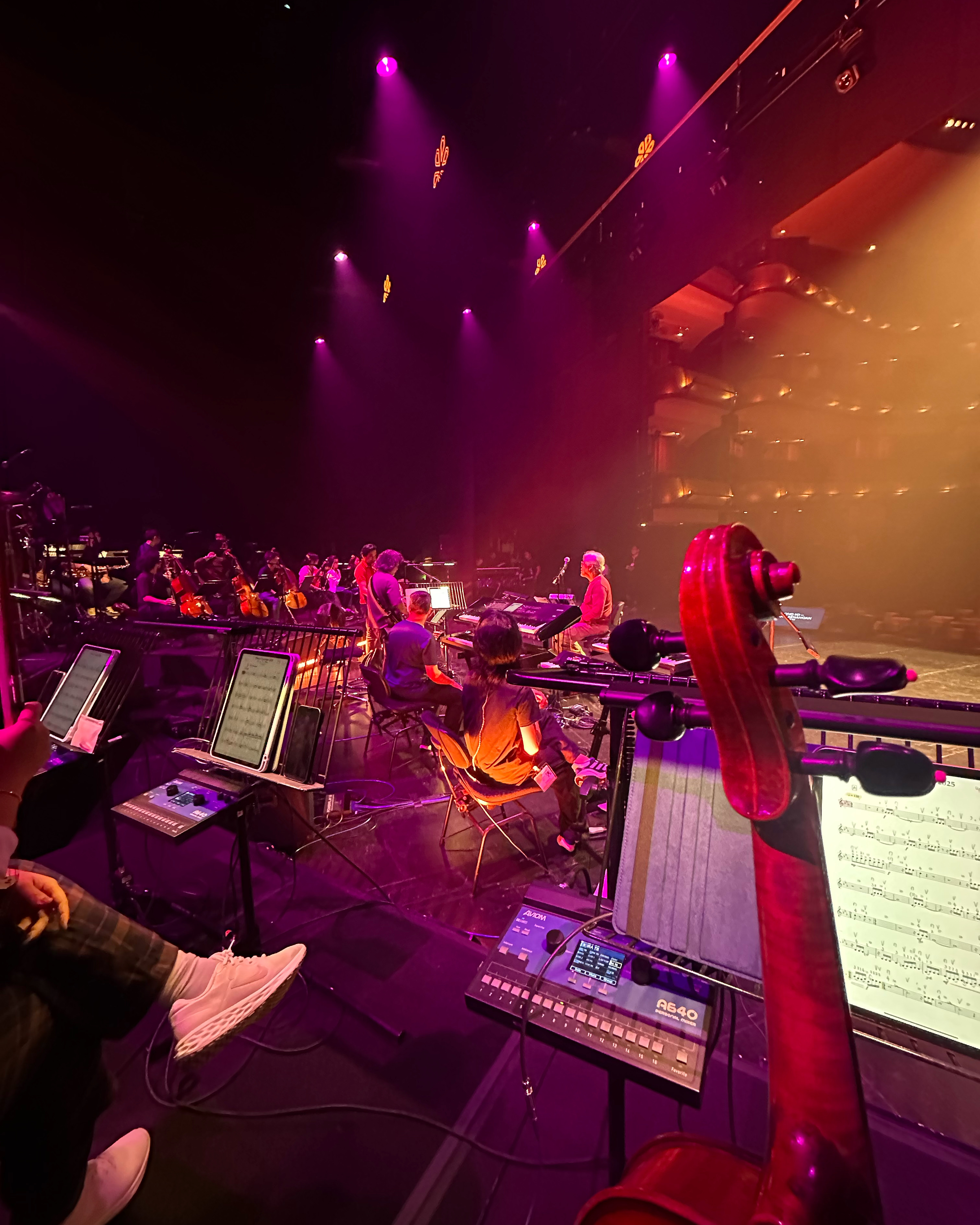
Eating alone has never been my void. It has been my practice. As a musician, my schedule was never corporate. Late performances, outstation travel, four days off while the rest of the world was in boardrooms. My friends worked nine-to-five. I worked by curtain call. So while they were in meeting rooms, I was in cafés and kopitiams, making space for my own thinking.
The solo table was never about absence. It was where the ideas lived.

Duality and Unity on the Southeast Asian Table
What strikes me now, writing this, is that the food landscape of this region carries both duality and unity within the same bite.
From Chinese kopitiam breakfasts in Singapore to Malay fine dining in Kuala Lumpur. From Sunday market lontong to an elegant plate of nasi kerabu with architectural precision. The flavours shift. The cultural codes shift. But underneath it all, food in Southeast Asia is never just food. It is memory made edible. Identity made visible. Independence made legitimate.
The true luxury of eating alone, in any of these settings, is the ability to sit anywhere, from a warung to a white-tablecloth restaurant, and feel completely at home in your own company.
From the Table to the Story
This is what Kulture Insider is built to do. Not just to document the food, or the restaurant, or the accolade. But to trace what sits underneath: the memory, the migration, the identity that happens every time a culture puts something on a plate and says, this is who we are.
The kopitiam toast, the Serai nasi kerabu, the Section 14 market lontong. They all belong to the same story. Southeast Asia's flavours are inseparable from the lives we live and the versions of ourselves we are still becoming.
That, for this editor, is worth writing about. Every time.
Frequently Asked Questions
Is it normal to eat alone in Singapore? Yes. Solo dining is culturally unremarkable in Singapore. The city's culture of independence and efficiency means that eating alone, in a kopitiam or a restaurant, is simply a way of life rather than a social statement.
What is kopitiam culture? The kopitiam is a traditional Chinese-rooted coffee shop found across Malaysia and Singapore. Typically serving kopi, kaya toast, and soft-boiled eggs, it functions as a communal space where both families and solo diners eat side by side. In Singapore, kopitiams are particularly welcoming to the individual diner.
What is Malay fine dining? Malay fine dining elevates traditional Malay cuisine, dishes like nasi kerabu, rendang, and laksa, within a contemporary, elegant setting. Restaurants like Serai in Petaling Jaya and Bijan in Kuala Lumpur are examples of this growing culinary movement that positions Malay cuisine confidently in the world of luxury dining.
What is the best kopitiam in Singapore for tourists? Ya Kun Kaya Toast is one of Singapore's most iconic kopitiam chains, with branches across the island. The Marine Parade outlet offers a local, neighbourhood atmosphere away from the main tourist clusters.
Why is nasi kerabu blue? The distinctive blue colour of nasi kerabu rice comes from butterfly pea flower (bunga telang), a natural plant dye used in traditional Malay cooking. It carries no artificial additives and is a hallmark of authentic Kelantanese cuisine.
What does solo travel in Southeast Asia teach you about culture? Solo travel in Southeast Asia, particularly through the lens of food, reveals how deeply identity, community, and independence are negotiated differently across cultures. Singapore's kopitiam culture and Malaysia's hawker markets each offer a different perspective, both essential for understanding the region.