.jpg)



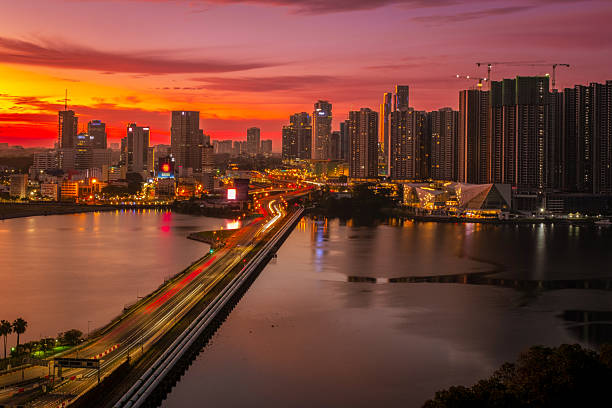
There is a particular kind of exhaustion that belongs to this crossing. The standstill. The heat rising off concrete at midnight. The queue of headlights stretching back as far as you can see, and further. Those who have sat in it know the feeling. Not just of waiting, but of being suspended between two lives, neither here nor there, until the lane finally moves.
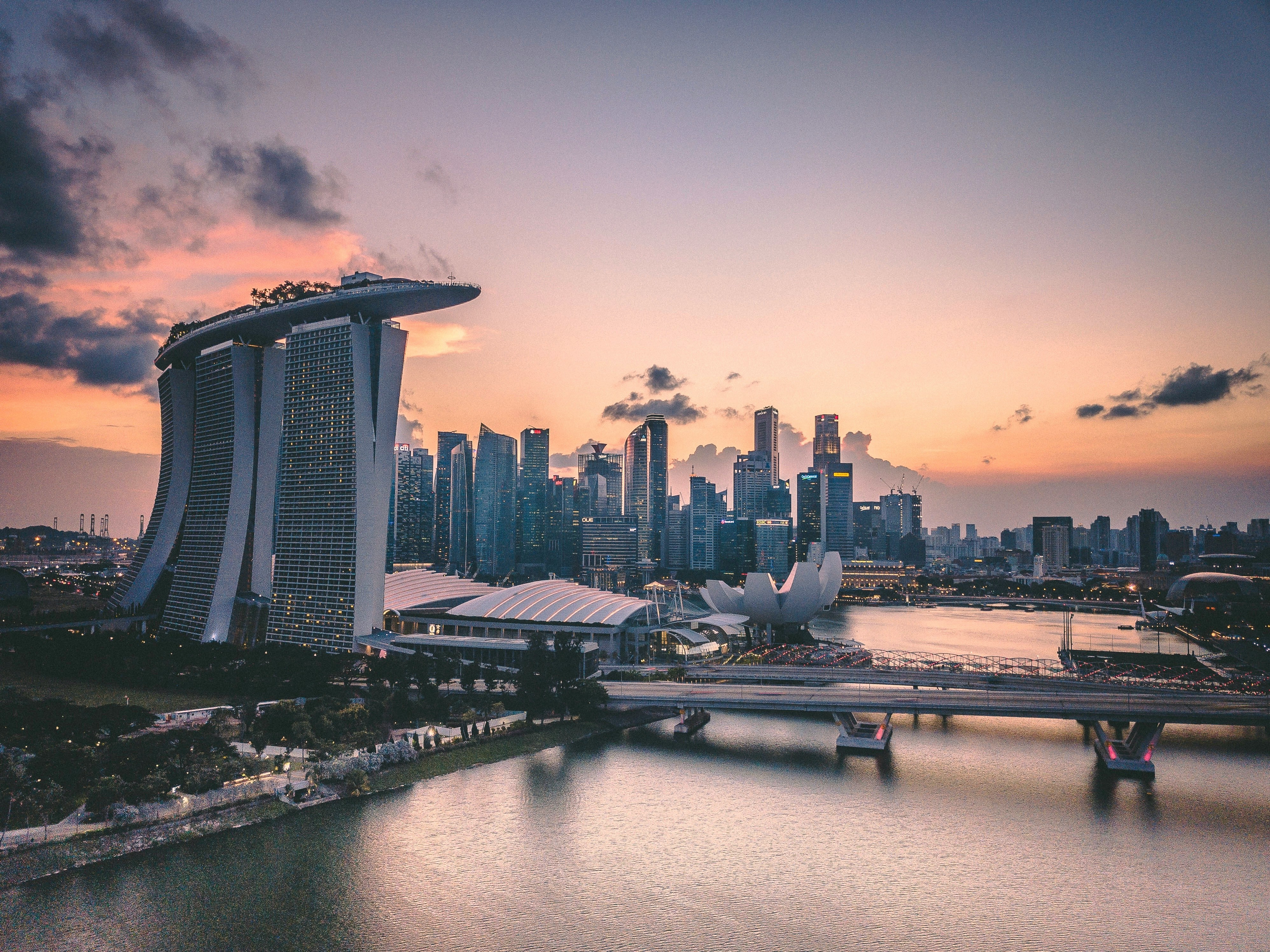
The Johor-Singapore Causeway. If you are reading this from Dubai, from London, from New York, let me orient you. Johor Bahru sits at the southern tip of Malaysia, 330 kilometres from Kuala Lumpur, separated from Singapore by a strait so narrow you can see one city's lights from the other shore. The Causeway between them, just over one kilometre of road and rail across the water, handles between 350,000 and 450,000 crossings every single day. On record days, close to 600,000.
Think of Shibuya Crossing in Tokyo. That intersection where the city moves in every direction at once, hundreds of thousands of people flowing and separating and finding their way. The Causeway carries comparable numbers. The difference is that Shibuya takes seconds. The Causeway has always taken hours.
And yet people cross anyway. Every day. Because these two cities need each other in ways that no amount of congestion has ever been able to dissolve.
"The Causeway is not a bridge. It is a mirror. And if you look at it long enough, it shows you exactly what this part of the world is built on."
I KNOW THIS CROSSING
Nobody tells you what it means to live between two countries until you are already doing it. Nobody tells you about the paperwork, the timing, the way a border does not care that your child fell sick last week and you missed the date on her pass. Nobody tells you, because they did not know either, until they were standing exactly where you are standing.
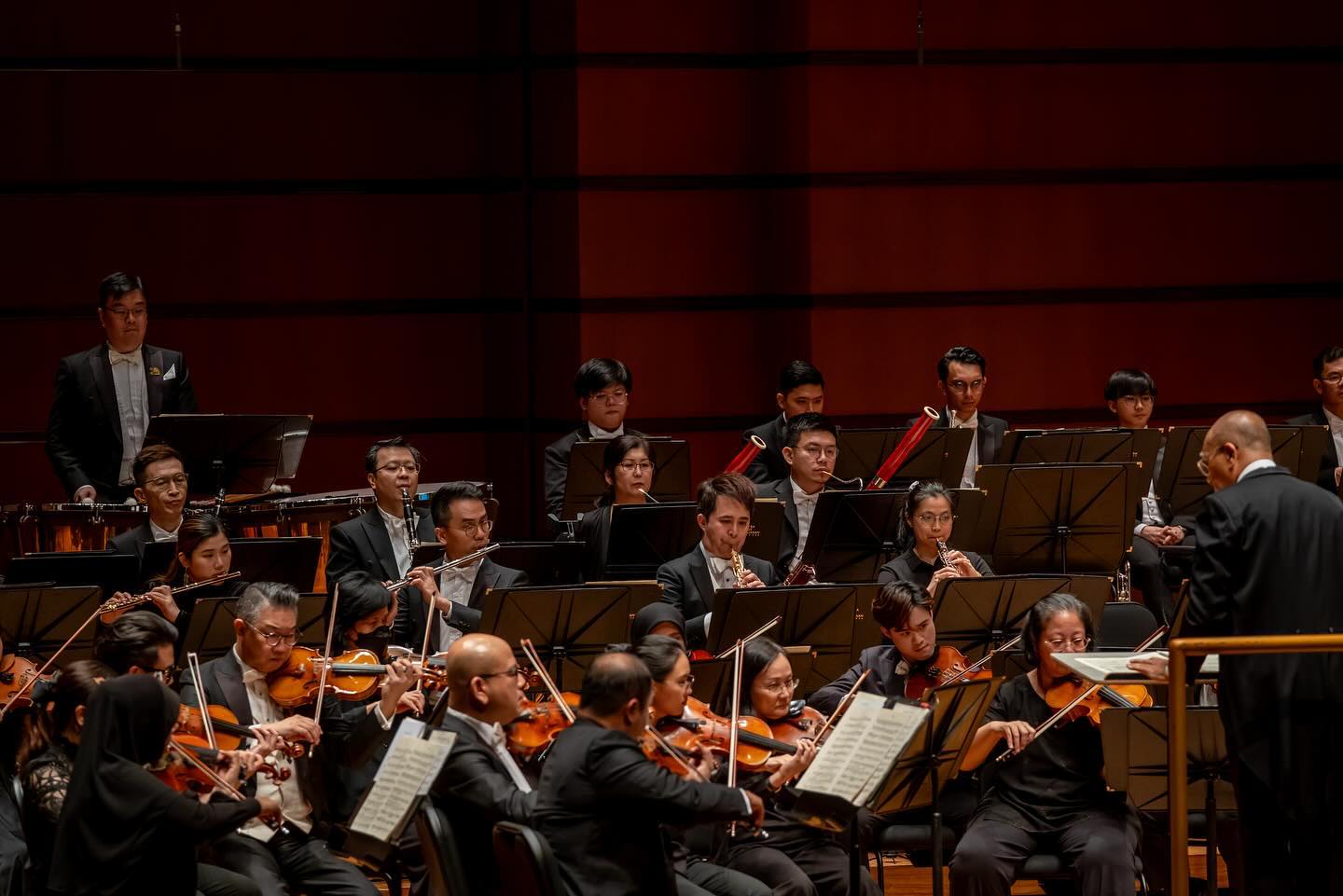
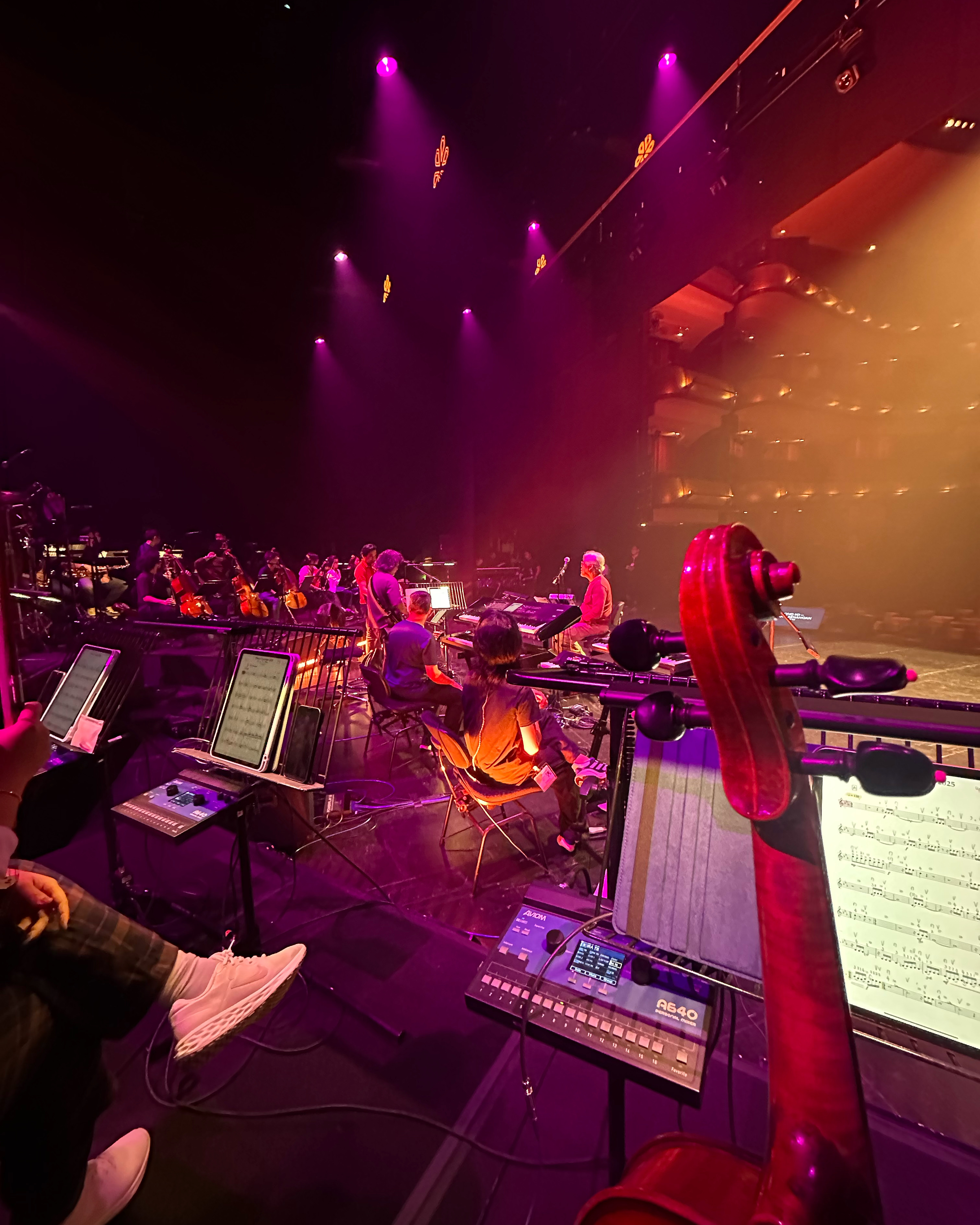
I have crossed this causeway more ways than I can count. By a friend's car. By hired taxi at midnight. By bus at dawn. On recording nights that ended at 1am at MediaCorp, Singapore's national broadcaster, when the television programme wrapped, the audience filed out, the orchestra began packing up, and you still had to get home. Which for me meant crossing a border first.
On one of those nights, violin case on my back, laptop bag between my feet, my daughter already asleep on my shoulder, I watched the crossing the way you watch something when you are too tired to look away. It was past 1am. There was still traffic. There is always still traffic.
And there at the toll lanes stood the RELA volunteers, Malaysia's People's Volunteer Corps, ordinary citizens in uniform, men and women holding light wands in the dark, directing cars that never quite stopped, keeping a crossing moving that never really does. Beside them, a river of motorcycles. Malaysians heading home to Johor Bahru ( JB) after a full shift in Singapore. Some of them had been on that same road twelve hours earlier, going the other direction.
This is not a commute. This is a life built deliberately, daily, across a kilometre of water. And it is the life of hundreds of thousands of people, because the logic of it is undeniable: Singapore has the opportunity. Johor Bahru has the space, the coast, and everything that does not fit inside a city optimised within an inch of its life.
That night humbled me. Not because it was hard. But because I finally understood what I was looking at. The exact place where culture and commerce meet in this part of the world. They always have. The Causeway is just where it becomes visible.
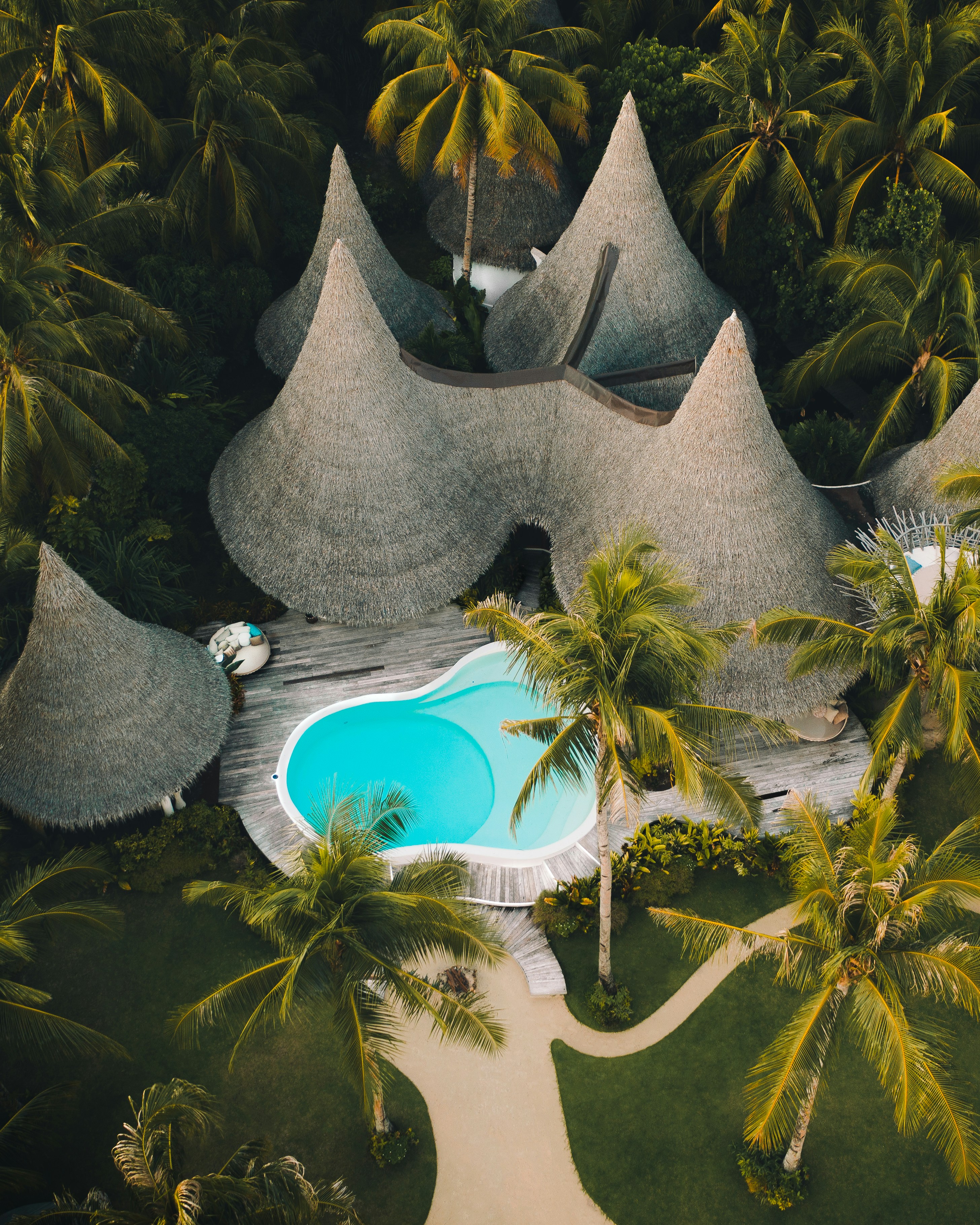
WHY SO MANY CROSS: Malaysians for work, drawn by Singapore's wages and opportunity. Singaporeans for everything money cannot easily buy at home: the food, the coastline at Desaru, the private islands off Mersing, the diving waters that most of the world has not yet found.
FIVE MINUTES CHANGES THE EQUATION
By the end of 2026, the Johor Bahru-Singapore Rapid Transit System (RTS) Link will compress that crossing into five minutes. A train connecting Bukit Chagar in JB directly to Woodlands North in Singapore. One hundred AI-powered e-gates processing each traveller in seven seconds. Single clearance for both countries. A fare of SGD5 to SGD7.
At launch, the line serves around 40,000 passengers a day, rising to a projected 140,000 over time, absorbing an estimated 30 to 40 percent of current Causeway traffic. By June 2027, it replaces the KTM Shuttle Tebrau entirely.
For the daily commuter, this is relief. For the business traveller, efficiency. But for those who understand what this corridor actually represents, it is a threshold moment.
When friction disappears, every decision changes. The corporate event in Singapore can now draw on talent from JB without logistical anxiety. The cultural institution can programme across both cities with the same confidence as a Kuala Lumpur to Singapore engagement. The creative who lives on one side and works on the other stops having to choose between being early and being present.
The white-glove hospitality properties rising along the Desaru coast already understand this. The F&B concepts expanding quietly from Singapore into JB understand this. The property developers around Bukit Chagar have understood it for years.
"The corridor is not becoming something new. It is finally becoming what it always was."
WHY THIS IS WHERE KULTURE INSIDER BEGINS
Kulture Insider was born from a question nobody was answering. What does it actually feel like to move through this part of the world, between its cultures, its cities, its contradictions?
The name says it simply. We are inside the culture. The stages, the production halls, the boardrooms, the border queues at 1am. Not observing from outside. Inside.
The Causeway is that answer made physical. Culture on one side. Commerce on the other. Four hundred thousand people crossing every single day because they already know, without needing anyone to tell them, that neither side is complete without the other.
That is why Kulture Insider exists.
Kulture Insider is the crossing. We are insider the culture. The stages, the philharmonic hallsm the broadcasting live tv station, the hotel gala ballrooms, the boardrooms, the border queues at 1 am. Not observing from outside. Inside.
We are the Insider.
THE STORY IS ALREADY MOVING
The RTS Link opens by end of 2026. What arrives with it is not just a train. It is a new chapter for one of the most significant corridors in Asia, one that has been underestimated and undercovered for as long as most of the world has been paying attention elsewhere.
Kulture Insider will be here for all of it. The hospitality addresses defining the new corridor. The cultural institutions programming across both cities. The businesses building in JB because Singapore sent them the talent and JB gave them the space. The private islands off Mersing that the world will eventually discover, which our readers will have known about long before.
If you are a brand, a cultural institution, or a business positioning for what this corridor becomes, this is the moment. Not 2027. Now. The audience is already moving. The story is already being written.
Five minutes between two worlds. The crossing is almost ready.
The question is whether you are.